
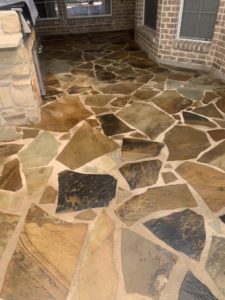
Stone flooring has been used for centuries in homes and commercial spaces due to its natural beauty, durability, and timeless appeal. From marble and limestone to travertine, slate, and granite, stone floors offer a wide range of styles that elevate any environment. However, like any flooring option, stone surfaces come with both advantages and challenges. Understanding the pros and cons of stone flooring can help homeowners and property managers make informed decisions and maintain their investment properly.
Pros of Stone Flooring
One of the biggest advantages of stone flooring is its durability. Natural stone is incredibly strong and can last for decades, or even centuries, when properly maintained. This makes it an excellent choice for high-traffic areas such as entryways, kitchens, hallways, and commercial spaces.
Stone floors also provide unmatched aesthetic appeal. Each piece of natural stone is unique, featuring natural veining, texture, and color variations that cannot be replicated by manufactured materials. This gives stone flooring a luxurious and authentic look that increases property value.
Another benefit is versatility. Stone flooring works well in both indoor and outdoor settings and complements a wide range of design styles, from rustic and traditional to modern and minimalist. It also pairs beautifully with radiant floor heating systems, as stone retains heat efficiently.
Stone floors are also hypoallergenic. Unlike carpet, stone does not trap dust, pollen, or allergens, making it an excellent choice for households with allergy concerns.
Cons of Stone Flooring
Despite its many benefits, stone flooring does have some drawbacks. One of the main concerns is maintenance. Natural stone is porous and can absorb liquids if not properly sealed, leading to stains, discoloration, or damage over time. Regular cleaning and periodic sealing are essential to keep stone floors looking their best.
Another disadvantage is cost. Stone flooring typically has a higher upfront cost compared to other flooring materials, both in material and installation. Additionally, professional restoration or repair may be required if the stone becomes scratched, etched, or cracked.
Stone floors can also feel cold and hard underfoot, especially in colder climates. While this can be mitigated with rugs or heating systems, it may be uncomfortable for some homeowners.
Finally, certain types of stone can be sensitive to acidic substances and harsh cleaners. Improper cleaning products can dull the finish, cause etching, or permanently damage the surface.
Balancing Beauty and Longevity
Stone flooring is a long-term investment that offers elegance, durability, and value when properly cared for. The key to enjoying its benefits while minimizing drawbacks lies in professional maintenance, correct cleaning methods, and timely restoration.
If your stone floors are showing signs of wear, staining, or loss of shine, Stone Restoration Services can help restore their beauty and protect them for years to come. Their experienced team specializes in cleaning, polishing, sealing, and repairing all types of natural stone surfaces. Call (214) 881-5005 to discuss your stone flooring needs and keep your surfaces looking their best.